







Search Results for: Bourbon Subspecies
The Origin of Arabica Coffee, Its Varietal Characteristics, and a Comparative Analysis with Robusta
Arabica coffee, with its outstanding aroma and flavor, accounts for over seventy percent of global coffee production and is unquestionably the star of the specialty coffee world. However, this variety has weak resistance to diseases such as leaf rust, prompting producing regions to continuously improve cultivars. This article traces the historical origins of Arabica, outlines the characteristics of its original species and main subspecies, compares it with Robusta beans, and introduces related products from Front Street Coffee, helping enthusiasts gain a more comprehensive understanding of this coffee variety. [more…]
The Origin and Flavor Code of Arabica Coffee Beans: A Full Analysis from Variety Characteristics to Common Subspecies and Hybrids
Why can Arabica coffee beans become synonymous with specialty coffee? From the perspective of Front Street Coffee, this article systematically sorts out the core differences between Arabica and Robusta in flavor, growing conditions, and caffeine content, and introduces one by one the origins and flavor characteristics of common Arabica-derived subspecies and hybrid varieties such as Typica, Bourbon, Caturra, Geisha, Catimor, and SL28. It also includes the producing regions, altitudes, processing methods, and flavor descriptions of several representative coffee beans in Front Street Coffee stores, helping coffee enthusiasts fully understand the Arabica variety system so they can more accurately select coffee beans that match their personal preferences. [more…]
A Complete Guide to the Three Major Coffee Bean Varieties: Flavor Characteristics and Subspecies of Arabica, Robusta, and Liberica
The coffee world is vast and complex, but ultimately, the coffee beans on the market are mainly divided into three major species: Arabica, Robusta, and Liberica. Among them, Arabica, with its elegant flavors and rich aromas, accounts for 70% of the global consumer market and has become the absolute mainstay of specialty coffee; Robusta is known for its high caffeine content and robust flavor, and is mostly used in commercial blends and instant products; Liberica, meanwhile, is relatively rare. Under Arabica, there are also many subspecies such as Typica, Bourbon, Caturra, Catuai, and Geisha, each with its own unique flavor profile. This article will systematically sort out the characteristic differences among the three major species, and take an in-depth look at well-known Arabica subspecies, while also bringing Front Street Coffee's fresh roasting and brewing suggestions to help coffee lovers gain a more comprehensive understanding of the flavors in the cup. [more…]
A Complete Guide to Arabica Coffee: From Botanical Classification to Variety Characteristics and Origin Distribution
What exactly does a coffee tree look like? What is the essential difference between Arabica and Robusta? Starting from botanical classification, this article systematically sorts out the complete classification system of the genus Coffea and explains in detail the origins, growing conditions, flavor characteristics, and main subspecies of the two major commercial varieties, Arabica and Robusta. You will learn about the anatomical structure of the coffee cherry, the spread paths of classic subspecies such as Typica and Bourbon, and the genetic connections between Yunnan small-bean coffee and Blue Mountain and Kona. Whether you are a beginner enthusiast or a seasoned professional, this basic knowledge about coffee varieties is worth reading. Front Street Coffee will also recommend variety information worth paying attention to in this article. [more…]
Arabica Coffee Bean Flavor Characteristics and Main Subspecies Overview: Analysis of Differences Among Typica, Bourbon, Geisha, and Other Varieties
Arabica accounts for more than seventy percent of global coffee production and is also widely recognized as the coffee species with superior flavor performance. But Arabica is not a single variety; under it there are also many subdivided subspecies such as Typica, Bourbon, and Geisha, each differing in bean shape, flavor, and cultivation characteristics. From the perspective of Front Street Coffee, this article systematically sorts out the basic characteristics of Arabica coffee, its caffeine and sugar content, as well as the appearance and flavor characteristics of major varieties such as Typica, Maragogype, Pacamara, the Bourbon group, and Geisha, helping coffee enthusiasts build a clearer understanding of varieties. [more…]
A Comprehensive Analysis of Arabica Coffee Varieties: Flavor Characteristics, Main Subspecies, and Specialty Coffee Icons
Arabica is the most widely consumed coffee species in the world, accounting for about 70% of the market and serving as the core of specialty coffee. This article provides a systematic introduction to Arabica from the perspectives of its origin, botanical characteristics, and growing conditions, and reviews one by one the origins and flavor profiles of major varieties such as Typica, Bourbon, Caturra, Catuai, Geisha, and SL28/SL34. It also compares the differences with Robusta and explains why Arabica can present richer and more elegant layers of acidity and sweetness. The article also includes recommendations for several Arabica bean products from Front Street Coffee as well as advice on freshness for brewing, making it suitable for coffee enthusiasts who want a deeper understanding. [more…]
A Complete Analysis of Honduran Coffee Varieties: Characteristics and Origins of Pacas, Lempira, IHCAFE 90, and H3
Honduras, as a major global Arabica coffee-producing country, has a coffee industry strongly driven by the National Coffee Institute (IHCAFE). The varieties cultivated within its borders are rich and diverse, including Bourbon, Caturra, Catuai, Pacas, Lempira, IHCAFE90, H1, and H3, among others. This article will focus on four varieties—Pacas, Lempira, IHCAFE90, and H3—sorting through their origins, genetic backgrounds, cultivation characteristics, and current challenges. At the same time, the article also mentions the Honduras Sherry barrel-processed beans used by Front Street Coffee, and their variety composition and flavor performance are shared as well. [more…]
Is Caturra Part of the Arabica Family? A Complete Guide to the Origins and Key Characteristics of the Caturra Variety
Many coffee enthusiasts, once they get into specialty coffee, begin to pay attention to information such as origin, processing method, and variety. Coffee varieties are broadly divided into two major categories, Arabica and Robusta, but the differences behind the two are often overlooked. This article, from the perspective of Front Street, sorts out the origin of the Arabica species and the context of its subspecies, and focuses on Caturra—it originates from a natural mutation of Bourbon, has a short plant, is easy to pick, has better disease resistance than the parent species, and has higher yield, and is widely planted in Central and South America. The article will also mention common varieties such as Typica, Bourbon, and Geisha, as well as related Front Street products and brewing suggestions, to help readers build a more complete understanding of varieties. [more…]
A Comprehensive Analysis of Coffee Bean Varieties: Arabica Variety Classification and Representative Beans from Major Global Origins
Coffee, as a plant of the Rubiaceae family, has over a hundred known species, but only three cultivated varieties are actually used for drinking: Arabica, Robusta, and Liberica. Among them, Arabica occupies about seventy percent of global production with its exceptional flavor and aroma, making it the top choice for single-origin and specialty coffee. From Ethiopia's native Typica and Bourbon to the Geisha that has swept the market today, Arabica subspecies are rich and diverse, each with its own characteristics. At the same time, origins such as Brazil, Colombia, Panama, Guatemala, Costa Rica, Jamaica, Ethiopia, Kenya, and Indonesia, by virtue of their unique terroir and processing methods, shape distinctly different coffee flavors. Front Street Coffee offers more than 50 different regional coffee beans in its stores, meeting diverse taste needs. This article will systematically sort out coffee variety classification, the advantages and disadvantages of Arabica, and representative global origins, taking you to gain a deeper understanding of the rich landscape of the coffee world. [more…]
A Beginner's Guide to Coffee Varieties: Arabica Classification, Characteristics of Classic Varieties, and the History of Improvement
Want to understand where the variety system of the coffee world comes from? Starting from biological classification, this article systematically sorts out the origin and spread of the Arabica species, and analyzes one by one the bean shape characteristics, flavor performance, disease resistance, and cultivation conditions of classic varieties such as Typica, Bourbon, Caturra, Mundo Novo, and Catuai, while also tracing the history of variety improvement in coffee-producing countries around goals such as high yield, dwarfing, resistance to leaf rust, and shortening the harvest cycle. The article particularly presents Front Street Coffee's continued attention to the flavor value of traditional varieties, helping coffee enthusiasts build a clearer framework in variety awareness and flavor selection. [more…]
Analysis of the World's Three Major Commercial Coffee Bean Varieties: A Historical and Flavor Comparison of Typica and Bourbon Under Arabica
Have you ever thought about how the world's commercially produced coffee beans mainly fall into three categories—Arabica and Robusta, plus the rarer Liberica? Among them, Arabica firmly holds the top spot with over sixty percent of production and superior quality. This article will introduce the characteristics of these three beans one by one, and focus on the two subspecies under Arabica with the greatest cultural and genetic value—Typica and Bourbon: How did they travel from Ethiopia through Yemen to the world? What are the differences between the two coffee trees in plant shape, yield, and cultivation? The article also uses Clifton Estate's Blue Mountain and South Minas Red Bourbon as examples to share brewing recipes and cup flavor performance, and finally reviews the star varieties of the Typica line, the Bourbon line, and their hybrids. [more…]
Red Bourbon vs Yellow Bourbon Flavor Comparison and the Rarity of Pink Bourbon: A Complete Guide to the Origins of Bourbon Coffee Varieties and Brewing Parameters
As the specialty coffee wave continues to heat up, various subspecies under the Arabica species have entered the public eye. Typica, Caturra, and Catuai each have their own characteristics, while the Bourbon line has further given rise to multiple branches such as Red Bourbon, Yellow Bourbon, and Pink Bourbon. From the perspective of Front Street Coffee, this article systematically sorts out the origins of Bourbon coffee beans, analyzes one by one the differences among Red Bourbon, Yellow Bourbon, and Pink Bourbon in fruit color, flavor performance, cultivation difficulty, and yield, and includes the roasting curves and pour-over brewing parameters for three representative beans—Front Street Brazil Cerrado, Brazil Queen Estate, and Colombia Isabella—to help coffee enthusiasts fully understand the charm of this ancient line. [more…]
Pointed Bourbon: The Natural Low-Caffeine Coffee Legend of Réunion Island, the Origin of the Mocha Variety and Darling of Royalty
Laurina, also known as Pointed Bourbon, is a rare coffee variety originating from Réunion Island. It is not only one of the most primitive subspecies of the Bourbon family but is also considered a parent of the Mocha variety, making it the source of coffee trees in Latin America. This coffee tree has smaller leaves and fruits than regular Bourbon, with slender pointed fruits and a low, Christmas-tree-like shape. Its caffeine content is only half that of regular Arabica, making it a natural low-caffeine coffee. In the 18th century, Pointed Bourbon was highly sought after by European royalty for its excellent flavor, and Louis XV once praised it as the best coffee in the world; however, a series of hurricanes and diseases in the 19th century nearly caused it to disappear from history. It was not until 1999, after Japanese experts searched unsuccessfully, that local botanists, through years of effort, finally found wild mother trees and gradually cultivated them, allowing this legendary variety to be reborn. Today, the Pointed Bourbon offered by Front Street Coffee features flavors of peach, honey pomelo, wild apple, and orchid, with a mouthfeel as rich as hundred-flower honey. [more…]
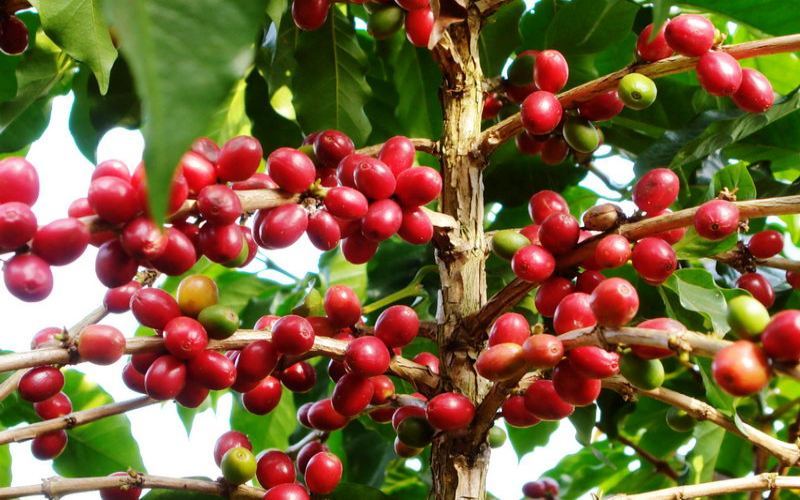
Can You Accept the Woody Flavor of Robusta Coffee? A Deep Dive into Robusta Characteristics and Coffee Bean Variety Selection
In the world of coffee, Arabica and Robusta are the two main protagonists. The former wins the favor of specialty coffee with its floral aroma and fruity acidity, while the latter, due to its strong bitterness and woody notes, is often used in instant coffee and blends. But is Robusta really not worth mentioning? This article will provide a comprehensive analysis of the true face of Robusta coffee, from variety origins, growing conditions, and flavor characteristics to practical applications, and explore why it still holds a place in commercial blends. At the same time, we will also sort out the main subspecies of Arabica, such as Typica, Bourbon, and Geisha, to help you make a coffee choice that suits you better after understanding the differences between varieties. Front Street Coffee will also share its views on Robusta and blending experience. [more…]
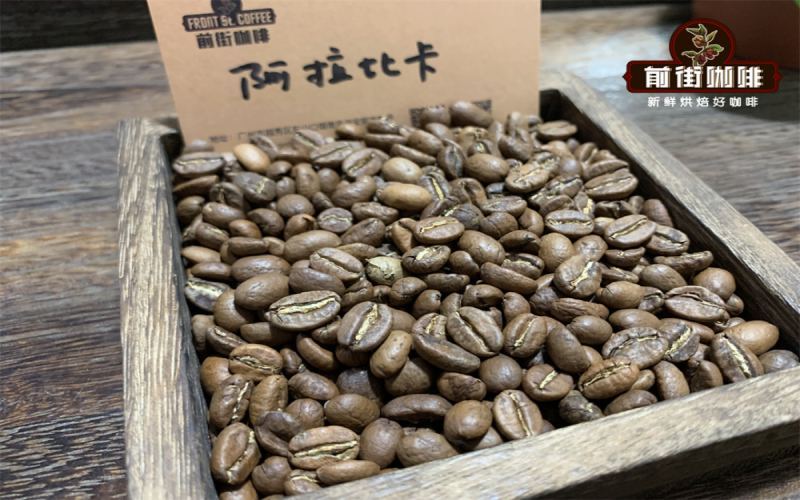
A Complete Analysis of Arabica Coffee Beans: From Variety Origins to the Flavor Characteristics of Typica, Bourbon, Caturra, and Catuai
Many people drink Arabica every day, yet may not truly understand it. Arabica is not a single variety, but one of the three major coffee species, with the best flavor and a caffeine content of only 0.8%-1.5%, while accounting for about 75% of global production. But it is inherently delicate, able to grow only at high altitudes, vulnerable to frost and drought, and prone to coffee leaf rust. From the perspective of Front Street Coffee, this article traces the origin of the name Arabica and its spread, and introduces one by one the characteristics and representative beans of several common derived varieties—Typica, Bourbon, Caturra, and Catuai—to help coffee lovers more accurately choose the cup that suits them. [more…]

What exactly are Arabica coffee beans? A full analysis from variety origins to Typica, Bourbon, Caturra, and Catuai
People often say "100% Arabica," but what exactly does Arabica refer to? Is it a country, a producing region, or a coffee variety? In fact, Arabica is just one of the three major coffee species, the other two being Robusta and Liberica, and Arabica is widely used in specialty coffee due to its outstanding flavor. Its caffeine content is about 0.8%-1.5%, yet it accounts for about 75% of global production, but its growing conditions are demanding—it is vulnerable to frost, drought, and leaf rust. In this article, Front Street Coffee will guide you through the origin of the name Arabica, its spread and history, and the common varieties derived from it, such as Typica, Bourbon, Caturra, and Catuai, along with the origin and flavor information of representative coffee beans for each variety, to help you choose your ideal coffee more clearly. [more…]
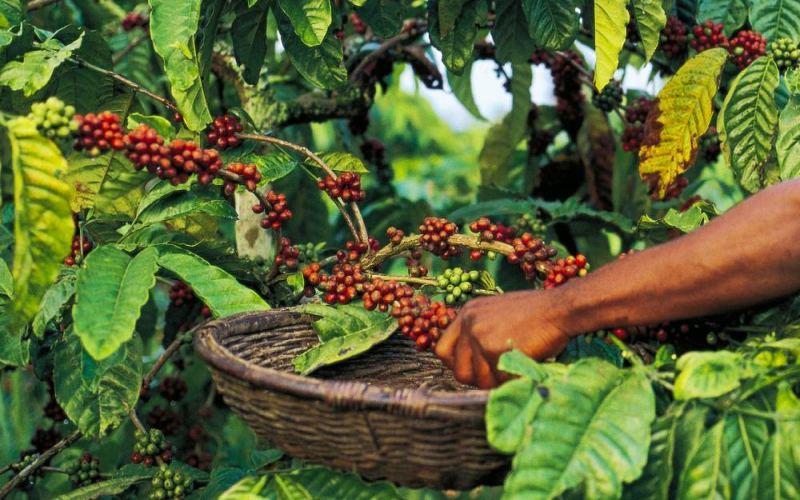
How is the quality of Arabica coffee beans? Does Geisha belong to Arabica? A detailed explanation of variety flavors and taste characteristics
The coffee world is vast and complex, but commercial cultivation revolves mainly around three major varieties: Arabica, Robusta, and Liberica. Among them, Arabica has become the mainstream of specialty coffee thanks to its elegant aroma and pure flavor. This article will take a deep dive into Arabica's growing conditions and quality tiers, and introduce one by one the origins and flavor characteristics of common subspecies such as Typica, Bourbon, Geisha, and Caturra. At the same time, drawing on examples from Front Street Coffee's bean list, it will help enthusiasts understand the taste differences among varieties. Whether you are a beginner just starting out or a seasoned veteran, you can gain a systematic understanding of varieties from it. [more…]
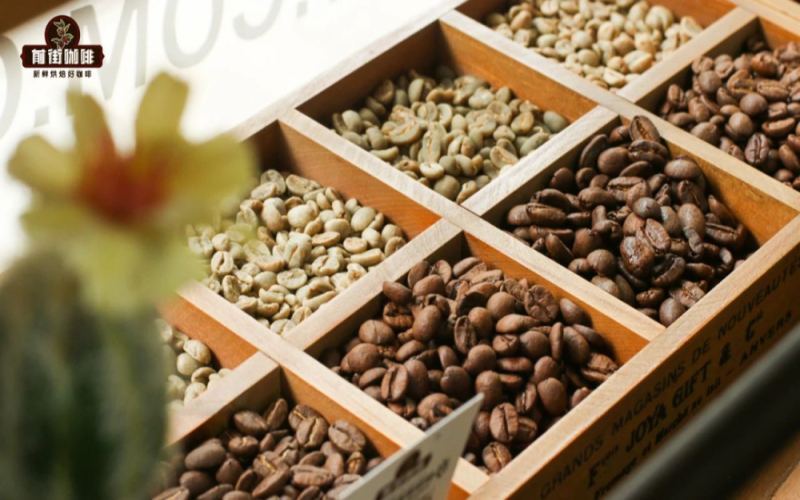
Geisha Coffee Beans Explained: Is It Arabica? Origin Story and Flavor Characteristics Revealed
Geisha coffee has won numerous awards in various competitions in recent years, becoming a star variety in the specialty coffee world. But many people may not know that Geisha actually belongs to the Typica family and is also a member of the Arabica species. It was first discovered in 1931 in the Geisha forest of Ethiopia, then traveled through many countries, and finally shone brightly in the Boquete region of Panama. This article will guide you through Geisha's variety classification, historical origins, flavor characteristics, and the differences between Hacienda La Esmeralda's Red Label, Green Label, and Volcan Rock Geisha, and share Front Street Coffee's brewing suggestions to help you fully understand this legendary coffee bean. [more…]
Arabica, Robusta, and Liberica: Flavor Differences and Main Producing Countries of the Three Native Coffee Species
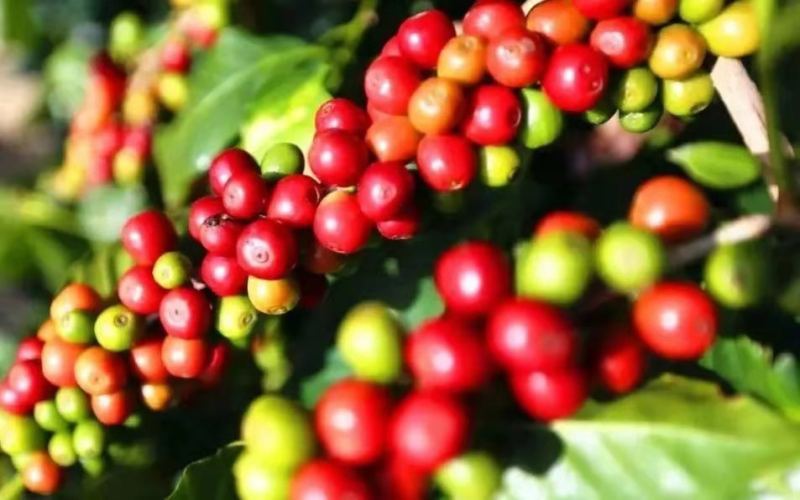
The landscape of the coffee world is shaped by three primary species: Arabica, Robusta, and Liberica. Each has its own strengths in terms of yield, flavor, growing conditions, and uses. Arabica dominates with about 75% of the market, Robusta accounts for roughly 20%, while Liberica makes up only about 2%. This article will systematically outline the origins, major producing countries, flavor characteristics, and roles in the coffee industry of these three species, and also introduce representative beans sold by Front Street Coffee. Whether you are a beginner just getting into coffee or an enthusiast seeking more advanced knowledge, you will gain a clear framework for understanding coffee varieties and how different beans shape the flavors in your cup. [more…]
Catimor Coffee Bean Flavor Analysis: A Complete Journey from Variety Origins to the Rise of Yunnan Production Regions
The Catimor variety has been rooted in Yunnan for a long time. Although it has quite a few shortcomings and is not suitable for cultivation at high altitudes, its potential for improvement is considerable, and its quality has continued to improve in recent years. Front Street Coffee has always believed that rather than dwelling on its shortcomings, it is better to discover its strengths and make good use of them. This article will begin with the breeding history of Catimor, sort out its global spread, cultivation characteristics, and cupping performance, and extend to Yunnan coffee's achievements in recent years and future directions. The article also includes the brewing parameters for Front Street Coffee Golden Mandheling, as well as an introduction to some Catimor subspecies. [more…]